Every year on the first Monday in September, Americans pause to celebrate Labor Day — a holiday dedicated to honoring the nation’s workers, their achievements, and the labor movement that helped shape the modern workplace. While today it often marks the unofficial end of summer with barbecues, parades, and travel, its roots trace back to a time of great struggle for fair wages, safe working conditions, and reasonable hours.
Origins of Labor Day
The idea for a holiday celebrating labor began in the late 19th century, during the height of the Industrial Revolution. Factories, railroads, and mines employed millions of Americans, but working conditions were often harsh and dangerous, with employees — including children — laboring 12 hours a day, seven days a week.
Labor unions grew in influence during this period, organizing strikes and rallies to demand better treatment. On September 5, 1882, thousands of workers in New York City held the first Labor Day parade, marching from City Hall to Union Square. The idea quickly spread, and states began adopting the holiday.
In 1894, following a period of intense labor unrest and the Pullman Strike — which saw violent clashes between workers and federal troops — President Grover Cleveland signed legislation making Labor Day a national holiday.
How It’s Celebrated Today
Over time, Labor Day has evolved from a day of protest into a celebration of workers’ contributions to the nation’s strength and prosperity. Communities across the country host parades featuring unions, civic organizations, and marching bands. Families and friends gather for picnics, barbecues, and outdoor activities. For many, the long weekend also serves as a final summer getaway before the start of the school year.
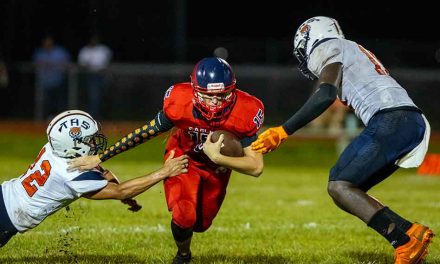
The holiday has also become closely associated with retail sales and sporting events, with many businesses offering Labor Day discounts and college football season often kicking off the same weekend.
As Americans fire up the grill or head to the beach this Labor Day, it’s worth remembering the generations of workers who fought to make the workplace fairer and safer, and the ongoing importance of honoring and protecting the nation’s workforce.