ST. CLOUD, Fla. — Conservation Florida recently highlighted a 50-acre habitat restoration project at East Lake Tohopekaliga, where it partnered with Sea & Shoreline to plant more than 250,000 native eelgrass plants along the lake’s northwest shoreline. The effort is designed to help restore one of Florida’s most treasured freshwater ecosystems, improve water quality, enhance wildlife habitat, and strengthen the headwaters of the Everglades.
The 50-acre restoration project, located along the lake’s northwest shoreline, is being carried out through a partnership between Conservation Florida and Sea & Shoreline and is administered through the Florida Fish and Wildlife Conservation Commission (FWC). The initiative is designed to improve water quality, increase oxygen production, stabilize sediments, and expand habitat for fish and wildlife throughout the lake.
Eelgrass populations have been declining across Florida in recent years, raising concerns among environmental scientists and conservationists. The submerged aquatic vegetation plays a vital role in maintaining healthy waterways by filtering water, cycling nutrients, producing oxygen, and providing shelter and feeding grounds for a wide range of aquatic species.
According to project leaders, a single acre of eelgrass can produce up to 50,000 liters of oxygen per day. Once fully established, the 50-acre restoration area could generate as much as 2.5 million liters of oxygen daily while providing critical habitat for species including the American alligator, snail kite, river otter, Florida softshell turtle, and the trophy Florida-strain largemouth bass that have made the Kissimmee Chain of Lakes a world-renowned fishing destination.
East Lake Toho spans approximately 12,000 acres and is the second-largest lake located entirely within Osceola County. As part of the Kissimmee Chain of Lakes, it serves as a vital freshwater resource for wildlife, recreation, and the broader Everglades watershed.
“Conservation Florida is thrilled to collaborate to plant native eel grass in a lake cherished by the community,” said Traci Deen, CEO of Conservation Florida. “In working alongside Sea & Shoreline, we’re helping ensure East Lake Toho remains healthy and thriving for generations to come.”
The planting phase of the project took place in late 2025, when Sea & Shoreline installed approximately 250,000 juvenile native Florida eelgrass plants using specialized planting and protection techniques designed to support long-term success.
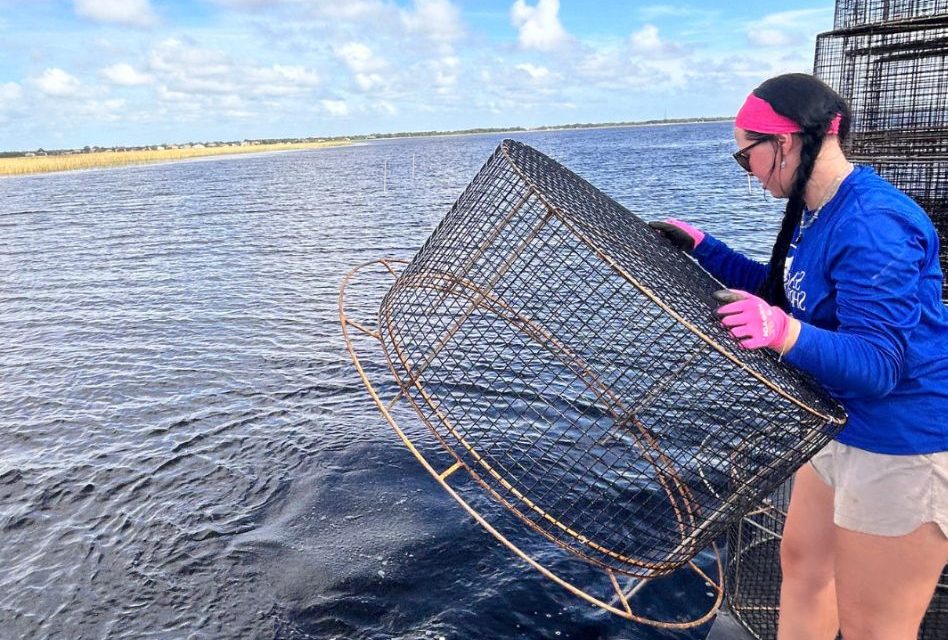
Following installation, protective growSAV devices — steel frames covered with wire mesh — were placed over the young plants to shield them from grazing fish and turtles while they develop strong root systems. The cages are expected to remain in place for approximately 12 months before being removed.
All eelgrass used in the project was grown at Sea & Shoreline’s Florida Department of Agriculture and Consumer Services-certified aquaculture facility in Ruskin and verified as native Florida eelgrass through genetic testing conducted by a University of Florida laboratory.
Founded in 1999, Conservation Florida is a statewide nonprofit land conservancy dedicated to protecting Florida’s land, water, wildlife, and natural landscapes. Through conservation partnerships and restoration initiatives, the organization works to preserve and connect natural lands across the state, including areas within the Florida Wildlife Corridor.
Sea & Shoreline, a Florida-based aquatic restoration and marine construction company founded in 2014, specializes in restoring damaged aquatic ecosystems through science-based restoration techniques. The company’s projects focus on improving water quality, oxygenating waterways, stabilizing sediments, cycling nutrients, sequestering carbon, and creating habitat for fish and wildlife.
“This project is a great example of how we put science into action,” said Carter Henne, CEO of Sea & Shoreline. “In partnership with Conservation Florida, we’re proud to have helped plan and implement the enhancement of 50 acres of native eelgrass in East Lake Toho, increasing critical habitat that supports fish, wildlife, and healthier waterways for the future.”
The restoration area is now monitored on a monthly basis, with maintenance continuing through 2026. Informational signage has also been installed on the lakeshore and around the perimeter of the project area to notify boaters and lake users of the restoration effort.
As the eelgrass becomes established and continues to expand, conservation leaders expect the project to deliver lasting benefits for water quality, aquatic habitat, recreational fishing, and the long-term health of East Lake Toho and the Everglades watershed.
Photo Source: Conservation Florida